
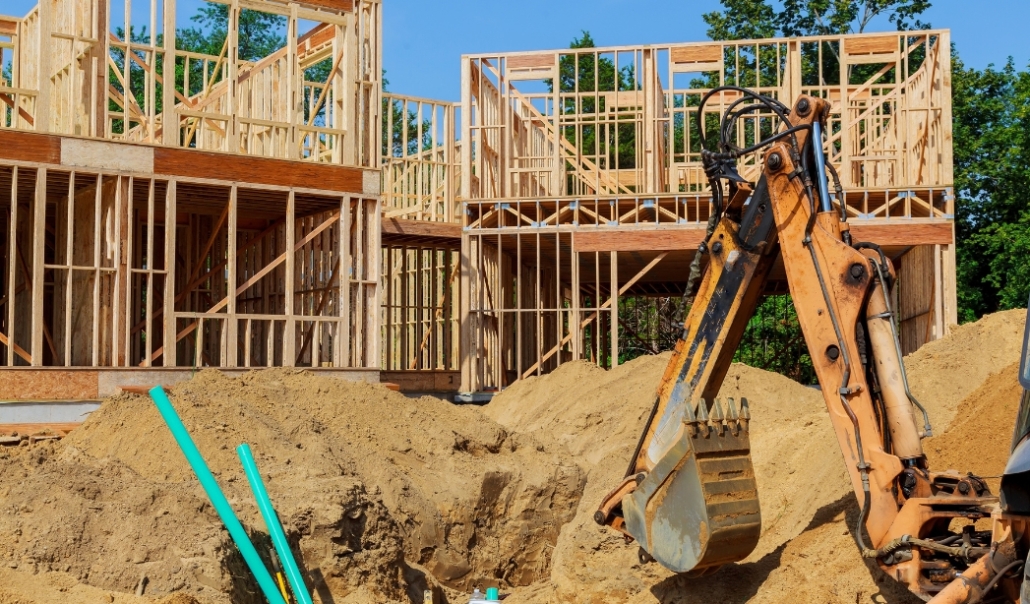
Home improvement projects can transform your living space, increase property value, and make your home more comfortable. Whether you’re renovating a kitchen, replacing a roof, upgrading insulation, or remodeling a bathroom, every project represents a significant investment of time and money.
Unfortunately, many homeowners make avoidable mistakes that lead to expensive repairs, project delays, safety hazards, and disappointing results. A simple decision made without proper planning can add thousands of dollars to the final cost. In many cases, the original problem becomes even more expensive to fix after an unsuccessful renovation.
The good news is that most costly home improvement mistakes can be prevented with careful planning, proper budgeting, quality materials, and professional guidance when necessary.
This guide explains the most common home improvement mistakes homeowners make, why they happen, and practical ways to avoid them.
Why Home Improvement Mistakes Are So Expensive
Unlike cosmetic decorating, home improvement often involves structural work, electrical systems, plumbing, roofing, HVAC equipment, and other major components of a house. Errors in these areas rarely remain small.
Poor workmanship may require demolition and rebuilding. Incorrect installations can damage walls, floors, ceilings, or even your home’s foundation. In addition, many mistakes reduce resale value because future buyers notice shortcuts during inspections.
Planning every project carefully before spending money is one of the smartest investments any homeowner can make.
1. Starting Without a Clear Plan
One of the biggest mistakes is beginning a renovation before developing a complete plan.
Many homeowners start buying materials or demolishing rooms before finalizing layouts, measurements, or design decisions. This often leads to last-minute changes, wasted materials, and higher labor costs.
How to Avoid It
- Define your goals before beginning.
- Create a realistic renovation timeline.
- Finalize the design before construction starts.
- Measure every space carefully.
- Purchase materials only after confirming dimensions.
A detailed plan reduces stress and keeps the project organized from start to finish.
2. Underestimating the Budget
Many renovation projects exceed their original budgets because homeowners only calculate material costs.
Hidden expenses often include:
- Labor
- Delivery fees
- Permits
- Tool rentals
- Demolition
- Waste disposal
- Unexpected repairs
- Temporary housing if needed
Even well-planned projects may uncover hidden water damage, mold, termite problems, or outdated wiring.
How to Avoid It
Create a complete budget that includes every expected expense.
Experts commonly recommend keeping an emergency fund of 10% to 20% of the project budget for unexpected issues.
3. Choosing the Cheapest Materials
Saving money is important, but buying the lowest-priced products often becomes more expensive later.
Cheap flooring may wear out quickly.
Low-quality paint may require additional coats.
Poor roofing materials may fail years earlier than expected.
Low-grade plumbing fixtures frequently leak or break.
How to Avoid It
Focus on long-term value instead of the lowest purchase price.
Spend more on products that experience daily use, including:
- Flooring
- Roofing
- Cabinets
- Windows
- Doors
- Plumbing fixtures
- Electrical components
Quality materials generally last longer and require fewer repairs.
4. Ignoring Building Codes
Every city has building regulations designed to protect homeowners and future occupants.
Ignoring these requirements can create legal issues, insurance complications, and expensive corrections.
Examples include:
- Improper electrical wiring
- Incorrect stair dimensions
- Unsafe deck construction
- Missing smoke detectors
- Inadequate ventilation
How to Avoid It
Research local building codes before starting work.
Obtain required permits and schedule inspections when necessary.
Following regulations protects both your investment and your family’s safety.
5. Hiring Contractors Based Only on Price
The cheapest contractor is not always the best choice.
Some extremely low bids result from:
- Inexperienced workers
- Poor-quality materials
- Hidden charges
- Lack of insurance
- Rushed workmanship
A poorly completed renovation may require another contractor to repair the damage.
How to Avoid It
Before hiring anyone:
- Compare multiple estimates.
- Verify licenses.
- Check insurance coverage.
- Read customer reviews.
- Ask for references.
- Review previous projects.
Choosing an experienced contractor often saves money in the long run.
6. Attempting DIY Projects Beyond Your Skill Level
DIY projects can reduce costs when handled correctly.
Painting walls, installing shelves, landscaping, and replacing cabinet hardware are often manageable.
However, electrical systems, plumbing, roofing, structural modifications, and gas lines require specialized knowledge.
Mistakes in these areas can become dangerous and extremely expensive.
How to Avoid It
Be honest about your abilities.
Complete simple projects yourself while hiring qualified professionals for technical work.
Knowing your limits is a smart financial decision.
7. Forgetting About Ventilation
Many homeowners focus on appearance while overlooking proper airflow.
Poor ventilation can cause:
- Mold growth
- Excess humidity
- Wood rot
- Peeling paint
- Poor indoor air quality
Bathrooms, kitchens, attics, and laundry rooms require effective ventilation systems.
How to Avoid It
Install properly sized exhaust fans.
Maintain attic ventilation.
Ensure HVAC systems provide balanced airflow throughout the house.
8. Ignoring Energy Efficiency
Some homeowners renovate without considering long-term energy savings.
Old windows, poor insulation, inefficient appliances, and outdated HVAC systems increase monthly utility bills.
How to Avoid It
When renovating, consider upgrading:
- Insulation
- Windows
- Exterior doors
- Smart thermostats
- Energy-efficient appliances
- LED lighting
Although these upgrades may cost more initially, they often reduce energy expenses for many years.
9. Using the Wrong Paint
Paint selection involves more than choosing colors.
Different rooms require different finishes.
Using flat paint in a bathroom or kitchen can create cleaning problems because moisture damages the surface.
How to Avoid It
Choose finishes appropriate for each room.
For example:
- Flat finish for ceilings
- Eggshell for living rooms
- Satin for bedrooms
- Semi-gloss for kitchens and bathrooms
- Gloss for trim and doors
Proper paint selection improves durability and appearance.
10. Poor Lighting Design
Lighting dramatically affects how a room looks and functions.
Many renovations include beautiful finishes but insufficient lighting.
Dark kitchens, dim bathrooms, and poorly lit hallways reduce comfort and usability.
How to Avoid It
Use layered lighting that combines:
- Ambient lighting
- Task lighting
- Accent lighting
Natural light should also be considered whenever possible.
11. Neglecting Storage
Beautiful spaces quickly become cluttered without adequate storage.
Many homeowners regret removing closets or cabinets during renovations.
How to Avoid It
Include storage in the design from the beginning.
Consider:
- Built-in cabinets
- Pantry shelving
- Garage organization
- Under-stair storage
- Closet systems
Good storage increases functionality and home value.
12. Buying Oversized Furniture Too Early
Purchasing furniture before completing renovations often creates problems.
Large furniture may block pathways or overwhelm smaller rooms.
How to Avoid It
Complete renovations first.
Measure rooms carefully before purchasing furniture.
Use floor plans to verify dimensions.
13. Overpersonalizing the Home
Highly customized renovations may suit your personal taste but reduce resale appeal.
Examples include:
- Bright specialty colors
- Unusual room layouts
- Luxury upgrades far beyond neighborhood standards
- Extremely niche design themes
How to Avoid It
Balance personal preferences with timeless design.
Neutral colors and classic materials generally appeal to a wider range of buyers.
14. Skipping Waterproofing
Water damage is among the most expensive home repairs.
Improper waterproofing around showers, basements, roofs, windows, and foundations can cause:
- Mold
- Structural damage
- Rotting wood
- Damaged drywall
How to Avoid It
Invest in proper waterproof membranes, flashing, drainage systems, and quality sealants.
Waterproofing should never be treated as an optional upgrade.
15. Ignoring Routine Maintenance
Many homeowners spend thousands on renovations while neglecting basic maintenance.
Small issues eventually become major repairs.
Examples include:
- Leaking faucets
- Clogged gutters
- Missing roof shingles
- HVAC filter replacement
- Cracked exterior caulking
How to Avoid It
Create a seasonal maintenance checklist.
Inspect your home regularly and repair minor problems before they become expensive.
16. Rushing the Project
Trying to finish renovations too quickly often results in mistakes.
Examples include:
- Paint applied before surfaces dry
- Flooring installed over damp concrete
- Cabinets installed before walls are level
- Tile grout not fully cured
How to Avoid It
Allow enough time for every stage of construction.
Following manufacturer recommendations improves the quality and longevity of the finished work.
17. Forgetting Future Maintenance
Some renovation choices look attractive but require constant upkeep.
For example:
- High-maintenance landscaping
- Delicate countertops
- Complex lighting systems
- Specialty flooring materials
How to Avoid It
Consider long-term maintenance before selecting materials.
Choose products that match your lifestyle and available maintenance time.
18. Not Keeping Renovation Records
Many homeowners fail to document improvements.
Missing records make warranty claims, insurance adjustments, and future home sales more difficult.
How to Avoid It
Keep organized records including:
- Receipts
- Contractor contracts
- Product warranties
- Paint colors
- Appliance manuals
- Permit documents
- Inspection reports
Digital copies provide additional protection.
19. Ignoring Curb Appeal
Some homeowners invest heavily indoors while neglecting the exterior.
A neglected exterior reduces first impressions and can lower property value.
How to Avoid It
Maintain:
- Landscaping
- Walkways
- Exterior paint
- Roofing
- Driveways
- Outdoor lighting
- Front doors
Small exterior improvements often provide excellent returns.
20. Failing to Think Long Term
Many renovations solve immediate problems without considering future needs.
Families grow, lifestyles change, and technology evolves.
Planning only for today’s requirements can lead to another renovation sooner than expected.
How to Avoid It
Think about how your home will function five to ten years from now.
Consider flexible spaces, aging-in-place features, future storage needs, and energy-efficient upgrades that remain valuable over time.
Smart Home Improvement Habits That Save Money
Successful homeowners share several habits that reduce renovation costs over time.
These include:
- Planning projects carefully before beginning
- Hiring qualified professionals when needed
- Comparing multiple estimates
- Purchasing quality materials
- Maintaining detailed budgets
- Scheduling routine maintenance
- Prioritizing safety
- Researching products before buying
- Investing in energy efficiency
- Avoiding rushed decisions
These habits minimize costly surprises and improve the quality of every project.
Final Thoughts
Home improvement should increase comfort, safety, and property value—not create financial stress. Most expensive renovation mistakes are entirely preventable with thoughtful planning, realistic budgeting, quality workmanship, and patience.
Whether you’re updating a single room or renovating an entire house, taking time to research materials, understand building requirements, hire qualified professionals, and prepare for unexpected expenses can save thousands of dollars over the life of your home.
Every successful renovation begins with informed decisions. By avoiding these common mistakes and focusing on long-term value rather than short-term savings, you’ll create a home that is more durable, more efficient, and better prepared to serve your family for many years to come.
 Engrnewswire
  Peregrine