
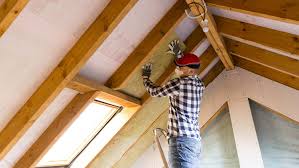
Home insulation is one of the most important parts of a comfortable and energy-efficient house, but it is often overlooked during construction or renovation. Many homeowners focus on visible upgrades like flooring, paint, kitchens, and bathrooms while ignoring the materials hidden behind walls, ceilings, and floors. However, proper insulation plays a major role in maintaining indoor temperature, reducing energy bills, improving comfort, and protecting the structure of a home.
A well-insulated house stays warmer during cold months and cooler during hot weather because insulation slows down the movement of heat between the inside and outside environment. Whether you are building a new home, renovating an older property, or trying to improve energy efficiency, understanding insulation types, costs, benefits, and warning signs can help you make better decisions.
What Is Home Insulation and Why Does It Matter?
Home insulation is a material installed in different areas of a building to reduce heat transfer. It works as a protective barrier that prevents unwanted heat from escaping during winter and entering during summer.
Without proper insulation, your heating and cooling systems have to work harder to maintain a comfortable indoor temperature. This not only increases energy consumption but can also reduce the lifespan of HVAC equipment because it operates more frequently.
Insulation is commonly installed in areas such as:
- Attics and roofs
- Exterior walls
- Floors
- Basements and crawl spaces
- Around windows and doors
- Ceilings between different levels of a house
The effectiveness of insulation is usually measured by its R-value, which represents its resistance to heat flow. A higher R-value generally means better insulation performance.
Common Types of Home Insulation
Different insulation materials are designed for different areas, budgets, and performance needs. Choosing the right option depends on your home’s design, climate, and renovation goals.
Fiberglass Insulation
Fiberglass is one of the most widely used insulation materials because it is affordable, available, and suitable for many residential applications.
It is usually made from tiny glass fibers and comes in rolls, batts, or loose-fill forms. Fiberglass insulation is commonly installed in walls, attics, and floors.
Benefits of fiberglass insulation:
- Lower installation cost
- Easy availability
- Suitable for many areas of a home
- Provides good thermal protection
- Long-lasting when properly installed
However, fiberglass performance can decrease if it becomes compressed or installed incorrectly. Professional installation is often recommended to ensure there are no gaps.
Spray Foam Insulation
Spray foam insulation is a modern solution that expands after application and fills small cracks, gaps, and hard-to-reach spaces.
There are two main types:
- Open-cell spray foam
- Closed-cell spray foam
Closed-cell spray foam provides stronger insulation and moisture resistance, while open-cell foam is generally more affordable and flexible.
Advantages of spray foam:
- Excellent air sealing ability
- Reduces drafts and air leaks
- Helps control moisture
- Improves energy efficiency
- Works well in difficult spaces
The main disadvantage is the higher upfront cost compared with traditional insulation materials.
Cellulose Insulation
Cellulose insulation is made from recycled paper products treated with fire-resistant chemicals. It is commonly used in attics and wall cavities.
It is considered an environmentally friendly insulation choice because it uses recycled materials.
Benefits include:
- Good thermal performance
- Eco-friendly option
- Helps reduce sound transmission
- Effective for filling irregular spaces
Proper installation is important because moisture exposure can affect its performance over time.
Mineral Wool Insulation
Mineral wool, also known as rock wool or stone wool, is made from natural minerals and offers strong fire resistance.
It is commonly used in walls, ceilings, and areas where sound control is important.
Key benefits:
- Excellent fire resistance
- Good sound insulation
- Durable performance
- Resistant to moisture
It is often chosen for high-performance homes and commercial buildings.
Rigid Foam Board Insulation
Rigid foam boards are solid panels installed on walls, roofs, foundations, and floors.
Common types include:
- Expanded polystyrene (EPS)
- Extruded polystyrene (XPS)
- Polyisocyanurate
These boards provide strong insulation while taking up less space compared with some traditional materials.
They are commonly used in energy-efficient construction projects.
Signs Your House Needs Better Insulation
Many homeowners do not realize their insulation is inadequate until they notice comfort problems or rising energy costs. Several signs can indicate that your home needs insulation improvements.
Increasing Energy Bills
One of the biggest indicators of poor insulation is unexpectedly high heating or cooling costs.
If your HVAC system runs continuously but your home still struggles to maintain a comfortable temperature, heat may be escaping through poorly insulated areas.
Improving insulation can reduce energy waste by helping your heating and cooling systems work more efficiently.
Uneven Temperatures Between Rooms
If some rooms feel colder in winter or hotter in summer than others, insulation problems may be the reason.
Poor insulation allows outside temperatures to affect certain areas more than others, creating uncomfortable temperature differences throughout the house.
Cold Walls and Floors
Walls, floors, and ceilings that feel unusually cold can indicate insufficient insulation.
During colder months, poorly insulated surfaces lose heat quickly, making rooms feel uncomfortable even when the heating system is running.
Drafts Around Windows and Doors
While drafts can come from gaps around windows and doors, they can also indicate larger insulation issues.
Air leaks allow conditioned air to escape and outdoor air to enter, reducing the efficiency of your home.
Moisture Problems and Condensation
Poor insulation can contribute to condensation problems, especially in colder climates.
When warm indoor air meets cold surfaces, moisture can form, potentially leading to mold growth, damaged materials, and indoor air quality issues.
High Noise Levels Inside the Home
Some insulation materials also provide soundproofing benefits.
If outside noises easily enter your home, additional insulation in walls and ceilings may help create a quieter indoor environment.
Average Cost of Home Insulation
The cost of insulation depends on several factors, including:
- Size of the home
- Type of insulation material
- Installation difficulty
- Existing insulation condition
- Location and labor costs
Basic insulation improvements may cost a few hundred dollars for small projects, while whole-house insulation upgrades can reach several thousand dollars.
Fiberglass insulation is usually among the more affordable options, while spray foam typically costs more because of its material price and specialized installation process.
Although insulation requires an upfront investment, it can provide long-term savings through reduced energy consumption and improved home comfort.
Benefits of Improving Home Insulation
Installing better insulation provides several advantages beyond temperature control.
Lower Energy Consumption
Better insulation reduces heat transfer, allowing heating and cooling systems to operate more efficiently.
This can lead to lower monthly energy expenses over time.
Improved Indoor Comfort
A properly insulated home maintains more stable temperatures, reducing hot and cold spots throughout the property.
Increased Property Value
Energy-efficient features are becoming increasingly attractive to buyers. Good insulation can make a home more appealing during resale.
Better Indoor Air Quality
Sealing gaps and improving insulation can reduce the entry of outdoor pollutants, dust, and allergens.
Reduced Environmental Impact
Lower energy usage means fewer resources are consumed, making insulation improvements a practical step toward a more sustainable home.
How to Choose the Right Insulation for Your Home
The best insulation option depends on your specific situation. Before making a decision, consider:
- Your local climate
- Your home’s current insulation condition
- Available budget
- Desired energy savings
- Installation area
- Long-term renovation goals
For older homes, an insulation inspection can help identify weak areas. A professional can check attics, walls, floors, and air leaks to recommend suitable improvements.
Final Thoughts
Home insulation is a valuable investment that improves comfort, energy efficiency, and long-term property performance. Whether you are dealing with high energy bills, uncomfortable rooms, temperature fluctuations, or an aging house, upgrading insulation can make a noticeable difference.
Understanding different insulation materials, their benefits, costs, and warning signs allows homeowners to make smarter renovation decisions. Instead of treating insulation as an invisible part of a home, it should be considered a foundation of a comfortable, efficient, and durable living space.
 Peregrine