
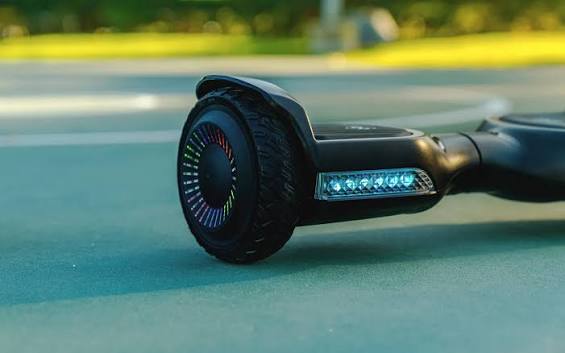
Electric personal transportation devices have become increasingly popular for recreation and short-distance travel. Among the available options, self-balancing models offer a unique riding experience that combines motorized movement with balance and body control. Before purchasing one, however, it is important to understand the features, specifications, and safety considerations that can affect the overall riding experience.
A self-balancing scooter uses sensors, electric motors, and rechargeable batteries to help maintain balance while the rider controls direction and speed through weight distribution. Different models can vary significantly in design, maximum speed, battery capacity, wheel size, weight limits, and intended use. Comparing these specifications can help buyers choose a model that fits their needs.
How Does a Self-Balancing Scooter Work?
Self-balancing scooters typically use gyroscopic sensors and control systems to detect changes in the rider’s position. When the rider shifts their weight forward or backward, the sensors communicate with the motors to adjust movement.
Turning is generally controlled by applying pressure or shifting weight toward one side. Although the basic concept is relatively simple, riders may need time to become comfortable with the controls and maintain their balance.
Understanding the Main Components
Before buying, it can be useful to understand the scooter’s primary components:
- Gyroscopic sensors: Help detect changes in balance and rider position.
- Electric motors: Provide the power needed for movement.
- Rechargeable battery: Supplies energy to the motors.
- Wheels and tires: Affect stability and the types of surfaces suitable for riding.
- Control system: Coordinates balance, speed, and directional movement.
Key Features to Compare
Different models are designed for different users and riding environments. Looking closely at the specifications can help prevent purchasing a model that does not meet your expectations.
Speed and Weight Capacity
Maximum speed is an important specification, but it should not be the only consideration. Riders should choose a model appropriate for their experience level and intended environment.
Weight capacity is equally important. The manufacturer’s recommended rider weight should always be followed because exceeding the limit can affect performance and stability.
Battery Life and Charging
Battery capacity can influence how long the scooter can operate between charges. Manufacturers may provide estimated riding ranges, but actual performance can vary depending on rider weight, terrain, speed, temperature, and riding conditions.
Check the following before purchasing:
- Estimated riding range
- Charging time
- Battery type
- Expected battery lifespan
- Charger specifications
Consider Where You Will Ride
The intended riding environment should influence your choice. Some models are designed primarily for smooth indoor or paved surfaces, while others may have larger wheels or features intended for outdoor use.
Wheel Size and Surface Compatibility
Larger wheels may provide additional clearance over certain surfaces, while smaller wheels can offer a more compact design. However, buyers should always follow the manufacturer’s recommendations regarding terrain.
Avoid using a scooter on surfaces that are excessively wet, slippery, uneven, or otherwise unsuitable for the model.
Safety Features and Riding Gear
Safety should be considered before the first ride. Riders should become familiar with the controls in a safe, open area before using the scooter in more demanding environments.
Protective equipment may include:
- A properly fitted helmet
- Knee protection
- Elbow protection
- Wrist guards
Riders should also avoid traffic, steep slopes, obstacles, and areas where pedestrians may be at risk.
Maintenance and Proper Storage
Regular maintenance can help keep a scooter functioning properly. Inspect the wheels, frame, controls, battery, and charging components periodically for visible damage or unusual wear.
Always follow the manufacturer’s charging and storage instructions. Using the correct charger and storing the scooter in an appropriate environment can help protect the battery and other electrical components.
Final Thoughts
Buying a self-balancing scooter requires more than comparing appearance and price. Factors such as speed, weight capacity, battery performance, wheel design, riding environment, and safety features should all be considered before making a purchase.
By reviewing the manufacturer’s specifications and choosing a model appropriate for the intended rider and environment, buyers can make a more informed decision and enjoy a safer, more comfortable riding experience.