
Two cats do not simply double the litter box workload. They add territory, hierarchy, and traffic, and the box becomes a place where all three play out. The cat that gets ambushed on the way in, or blocked while leaving, will find somewhere else to go, and that decision is very hard to reverse once it becomes a habit.
Multi-cat households need a system rather than a single box. That means enough stations, spread far enough apart to feel separate, cleaned on a schedule that keeps pace with the volume. This guide covers the layout rules, the maintenance rhythm, and the equipment choices that make a busy household work, including where automation genuinely earns its place.
The One-Plus-One Rule and Why It Works
The standard formula is one box per cat, plus one extra. It sounds excessive until you watch two cats negotiate a single station at the same time, and it exists for a simple reason: cats are not natural sharers when it comes to elimination. Even cats that sleep curled together may refuse to use a box another cat has just left.
The extra box also buys you tolerance for cleaning delays. If one box is being washed, the others keep the household running. In practice, three cats with four well-placed boxes experience far fewer accidents than three cats with two large ones, regardless of how often you scoop.
Count the boxes honestly. Owners often overestimate how many stations they have because two boxes in the same room feel like two. If a guest could stand in one spot and see every box at once, your cats probably treat them as a single resource, and the formula is not really being met.
Spread them out, do not line them up
Boxes placed side by side count as one resource to a cat. Put them in different rooms, or at opposite ends of a long space, with clear sightlines and an exit route. Avoid dead ends where a cat can be cornered, and avoid placing a box where a cat must pass another cat’s favorite resting spot to reach it. In apartments, use different rooms or at least different walls rather than a row along one hallway.
Vertical separation helps too. A box upstairs and one downstairs serves a household better than two on the same floor, because it splits traffic between levels and gives each cat a route of its own. For older cats, keep at least one box on every floor they can still reach comfortably.
Managing Volume Without Losing the Day
Waste volume scales with the number of cats, and so does the cleaning frequency. With two cats, scoop twice a day; with three or more, consider a third pass or an automated unit that cycles after each visit. The goal is not perfection but consistency, because a box that is clean in the morning and dirty by evening will still push a fastidious cat elsewhere.
Deep cleaning becomes a rotation. Instead of washing every box on the same day, stagger them across the week so the household never loses capacity all at once. Fully empty and wash one box every few days, replace the litter, and move on. This spreads the work into small blocks and keeps fresh litter available at all times.
Litter volume is easy to underestimate. Each box needs a proper bed, and topping up several boxes every day adds up. Keep a spare bag within reach of each station, and refill to the same depth every time. Consistent depth keeps scooping predictable and prevents the shallow spots that let waste reach the plastic.
Watch the traffic, not just the clock
Cleaning on a schedule is necessary but not sufficient. Notice which boxes get used most and which sit untouched, because that tells you about territory. A neglected box may be poorly placed, or it may be guarded by a cat that has claimed the route to it. Rearranging placement often solves what looks like a litter problem but is really a social one.
Keep a short note for a week if you are unsure. Recording which box each cat uses, and when, reveals patterns that are hard to see day to day. A box that is used only at night, or only when another cat is asleep, is a sign that the schedule is being negotiated rather than shared.
Choosing Boxes for Multiple Cats
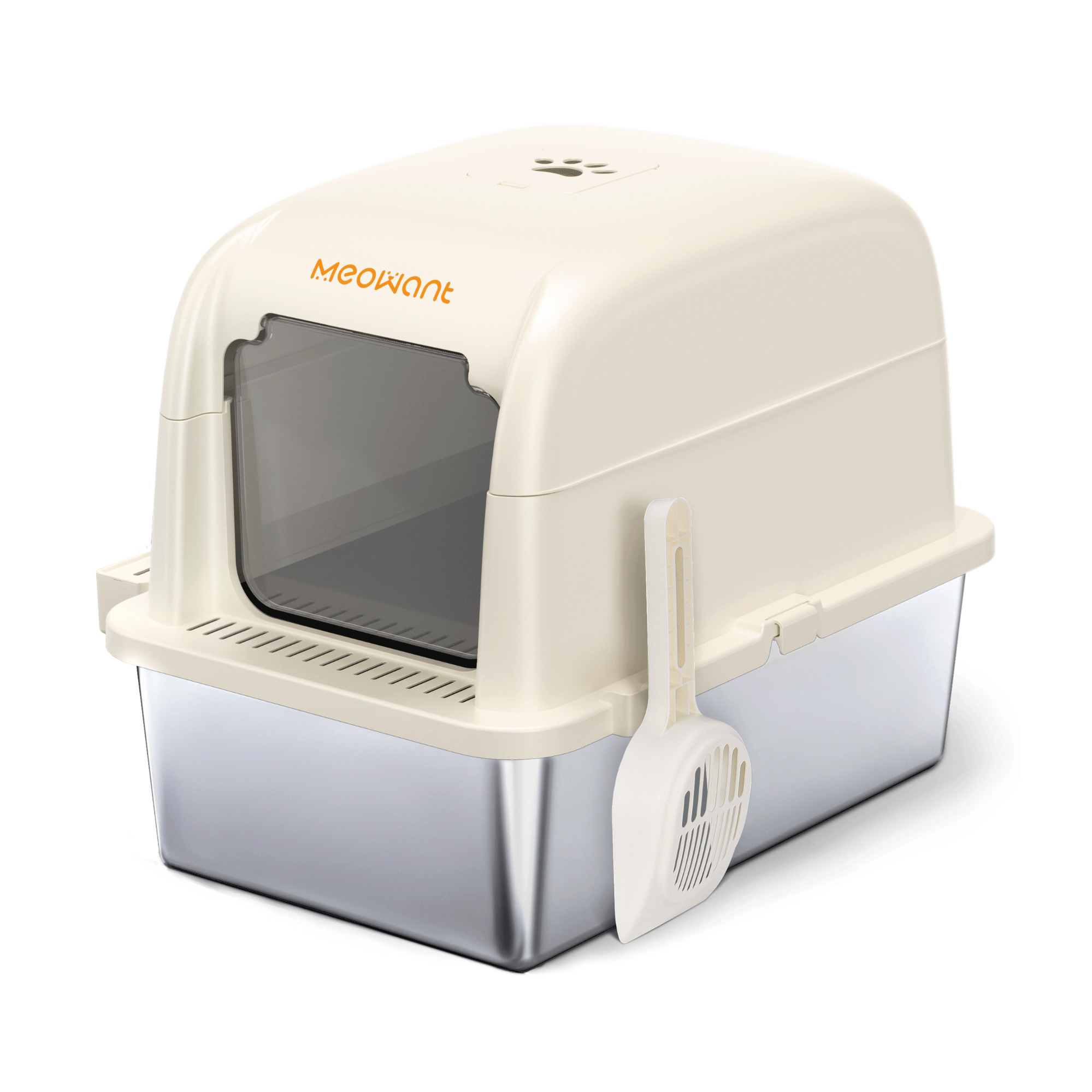
Size up, not down. In a multi-cat home, a large open box reduces conflict because it gives each cat room to enter, turn, and leave without a close pass. Covered boxes can work if every cat is confident, but a shy cat in a household with a bold one often needs an open, easily escaped option.
Material and height matter for durability. Multiple cats mean more scratching, more digging, and more stress on the plastic, so a sturdy base and a high lip pay for themselves. A cat litter box with a wide footprint and a low entry suits the widest range of ages and temperaments, which is exactly what a mixed household needs.
Where automation fits
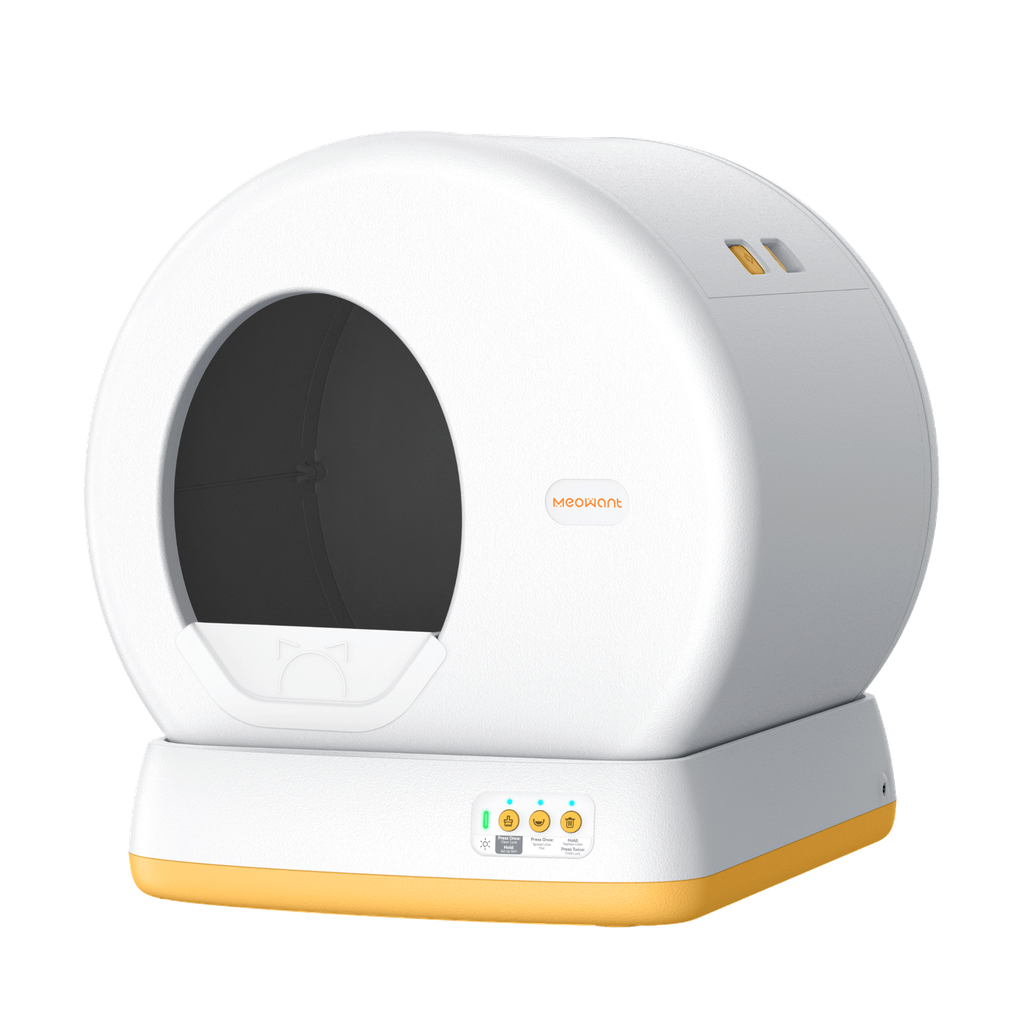
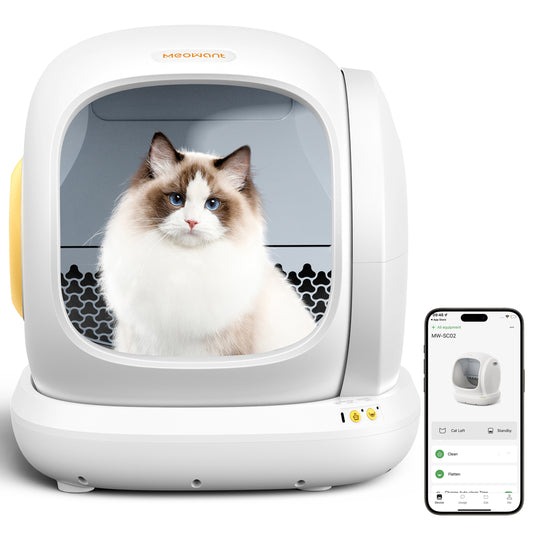
Automated units are most useful in multi-cat homes, provided you do not rely on a single machine. A self-cleaning box that cycles after every visit keeps the surface fresh between your checks, which matters when several cats share a station. Pair it with at least one manual box so there is always a backup if the unit needs cleaning or a part is on order.
Introduce automation gradually. Set up the new unit next to an existing box, let the cats investigate with the motor off, then enable cycles once they are comfortable. Cats that are used to a manual box may take a week or more to accept a moving rake, and rushing that process creates the avoidance you were trying to prevent.

In a busy household, placement of the automatic unit matters more than its feature list. Put it where cats can approach without passing a rival, and keep a manual box nearby so the timid cat is not forced to queue for the machine. Two options in the same area often work better than one machine in a contested corner.
Troubleshooting Conflicts Around the Box
Conflict rarely looks like fighting. More often it looks like one cat eliminating beside the box, or waiting until the house is quiet, or suddenly preferring a corner of the hallway. Those are signs that the box has become contested ground, and the fix is layout rather than discipline.
Add a station, move one box to a calmer room, and give the timid cat a route that does not pass the confident one. If a cat is being blocked at the entrance, a box with two exits or an open design removes the ambush point. Never punish a cat for going outside the box; it deepens the fear that caused the behavior and makes the problem harder to solve.
Feeding and water stations should stay well away from litter, and resources in general should be spread across the home. A household where every good spot is claimed by one cat will produce stress that shows up in the box first. Adding vertical space, separate resting areas, and more than one water bowl reduces the pressure that feeds litter avoidance.
Watch the exits as well as the entrances. A cat that bolts from the box the moment it finishes is telling you it does not feel safe there. Adding a second exit, moving the box away from a doorway, or placing it against a wall rather than in the open can turn a tense station into a calm one within days.
Design the System, Not Just the Box
A multi-cat household succeeds when the litter setup is treated as shared infrastructure. Enough boxes, spread apart, cleaned on a rhythm that matches the volume, with at least one open option for the shy cat. Brands like Meowant offer a range of sizes and styles precisely because no two households have the same mix of ages, temperaments, and floor plans, and the right combination is what keeps the peace.
Pay attention to behavior rather than only to the schedule. Where cats choose to go tells you whether the system is working, and the first sign of trouble is usually a quiet change in routine. Fix the layout early, keep the cleaning consistent, and the box stops being a source of conflict. In a busy home, that is worth more than any single feature on a spec sheet.
 admin
 Nathan