
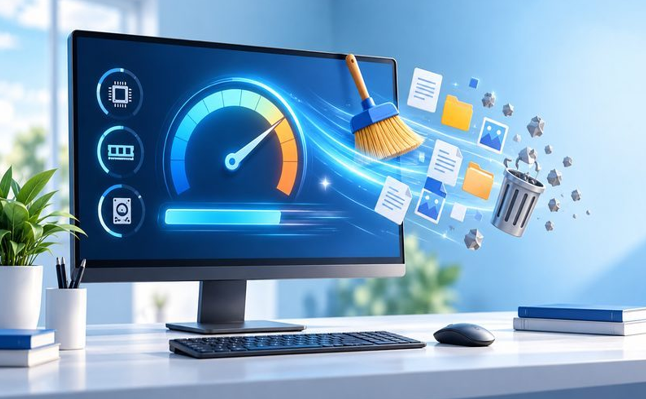
A Windows computer becomes an important part of daily life, whether you use it for office work, online learning, gaming, or entertainment. However, after months of regular use, you may notice that your computer is becoming harder to manage. Storage space starts running low, unnecessary applications accumulate, and temporary files take up room on your drive. These issues can make everyday computer maintenance more challenging.
The good news is that keeping your computer organized does not require advanced technical skills. A few simple habits, combined with the right maintenance tools, can help you manage your system more effectively and maintain a comfortable computing experience.
Why Keeping Your Computer Clean Matters
Every application you install and every website you visit can leave some data behind. Temporary files, browser caches, downloaded installation packages, and unused programs gradually accumulate on your computer.
Although these files are not always harmful, they can consume valuable storage space. Having too many unnecessary applications can also make it difficult to find the programs you actually use.
Regular maintenance helps you understand what is stored on your computer and gives you an opportunity to remove items that are no longer useful. It also makes file management easier and helps prevent storage from becoming unnecessarily crowded.
Use a Reliable PC Cleaner for Regular Maintenance
Manually searching through different folders to find unnecessary files can take time. A reliable PC cleaner can simplify this process by identifying temporary files, cached data, and other items that may no longer be needed.
Before using any cleaning application, review the available cleanup options. Some applications store temporary information that helps them work properly, so removing everything without checking can sometimes affect your preferences or browsing experience.
When choosing a cleaning program, look for clear settings, an understandable interface, and compatibility with your Windows version. It should allow you to decide what gets removed rather than automatically deleting files without your knowledge.
It is also important to have realistic expectations. A cleaning application can help free up storage space, but it cannot replace hardware upgrades or fix every computer performance issue. If your PC has limited memory or an older hard drive, those factors may also affect its speed.
Remove Unnecessary Software with an Uninstall Tool
Over time, most computer users install applications that they only need temporarily. These might include editing programs, trial versions of software, games, or tools downloaded for a particular project.
Once these applications are no longer useful, removing them can help keep your system organized.
Windows provides a built-in uninstall option through Settings, but some programs may leave behind folders, configuration files, or other related data after removal.
An uninstall tool can make application management more convenient. Depending on its features, it may help identify installed programs, remove unwanted applications, and locate leftover files associated with previously uninstalled software.
However, always review the information before confirming removal. Some applications include important settings or files that you may want to keep. Avoid removing unfamiliar system components because doing so could affect Windows or other installed programs.
Manage Programs That Start with Windows
Another useful maintenance step is reviewing the applications that launch automatically when your computer starts.
Many programs add themselves to the startup list during installation. While some need to run in the background, others do not need to start every time you turn on your PC.
Having too many startup applications can increase startup time and consume system resources. You can review these programs through Task Manager in Windows.
Open Task Manager, select the Startup apps section, and check which applications are enabled. Disable programs that you recognize and do not need immediately after startup. Leave essential security software and unfamiliar system processes unchanged unless you understand their purpose.
Organize Your Files and Folders
A clean computer is not just about removing unwanted software. Keeping personal files organized is equally important.
Start by creating separate folders for documents, photographs, videos, downloads, and work-related projects. This makes it easier to find important information without searching through multiple locations.
Your Downloads folder deserves particular attention because it often contains old installation files, duplicate documents, and items that are no longer needed.
Before deleting anything, check whether you might need it later. Important documents and personal photographs should always be backed up to an external drive or a trusted cloud storage service.
Keep Windows and Your Applications Updated
Software updates play an important role in maintaining a reliable computer. They can include security improvements, bug fixes, and compatibility changes.
Check Windows Update regularly and install updates from official sources. You should also update frequently used applications to benefit from their latest improvements.
Using reputable security software is another sensible habit. Avoid downloading applications from unfamiliar websites, and pay attention during installation to prevent unwanted additional programs from being added to your system.
Create a Simple Computer Maintenance Routine
You do not need to spend hours every week maintaining your PC. A simple routine can make the process much easier.
Once a month, review your installed applications, check available storage, organize your Downloads folder, and review startup programs. Use a PC cleaner when you need help identifying unnecessary files, and consider an uninstall tool when managing applications that you no longer use.
These small steps can help you stay aware of your computer’s condition and avoid unnecessary clutter.
Final Thoughts
Maintaining a clean and organized Windows PC is a straightforward process when you develop good computer habits. Removing unnecessary files, managing installed applications, organizing folders, and keeping software updated can all contribute to a better everyday experience.
With the help of a suitable PC cleaner and a reliable uninstall tool, you can make routine maintenance easier while keeping control over your files and applications. The most important thing is to review changes carefully and remove only the items you no longer need.
 admin
 Nathan