
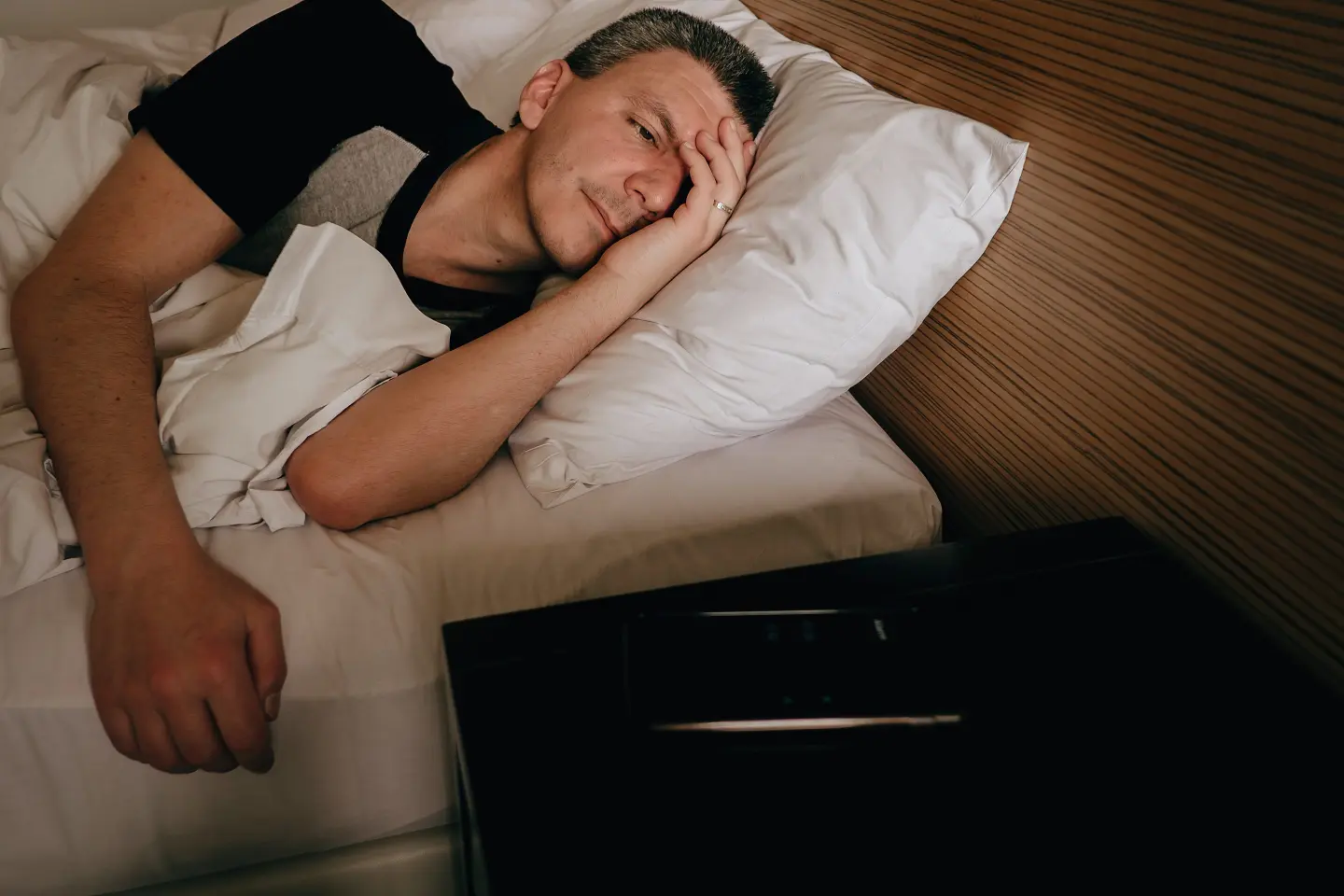
Every fall, the first Sunday in November brings the same promise: set the clocks back an hour and wake up with a little more sleep in the bank. For a night or two, that promise mostly holds. Then the body starts negotiating with the new schedule, and for a surprising number of people, that negotiation takes longer than a weekend.
The autumn change gets a reputation as the easy one, and compared to March it usually is. Easier is not the same as free. Understanding what the clock change actually does to the body’s internal timing, and why some people feel it far more than others, makes the adjustment less confusing and easier to actually manage. It also helps to know, ahead of time, what actually counts as a normal adjustment and what does not.
What the Clock Change Actually Does to Your Internal Clock
The body runs on an internal clock that cycles roughly once every twenty four hours, and that clock is set primarily by light. Morning light tells the brain that the day has started; darkness in the evening tells it the day is winding down. Meals, activity, and habit all nudge the clock slightly, but light exposure is the dominant signal it responds to.
A one hour clock change does not move that internal signal at all. The sun still rises and sets on its own schedule. What changes is the external clock time attached to that light, so for several days the internal clock and the wall clock are reading slightly different things, and the body has to catch up rather than simply following the new number on the microwave.
Why Fall Is Usually the Easier Direction, But Still Not Effortless
Most people find the November change gentler than the March one, and there is a reasonable explanation for that. Left with no external cues at all, many people’s internal clocks drift toward a day that runs slightly longer than twenty four hours rather than shorter. Falling back lines up with that natural drift, while springing forward fights against it, which is part of why March tends to hit harder.
Gentler is not the same as unaffected. The body still has to shift its sense of when morning light should arrive and when evening darkness should set in, and for several nights that adjustment can show up as waking earlier than intended, feeling groggy at a time that used to feel normal, or getting hungry on the old schedule instead of the new one.
The Extra Hour Myth
The assumption behind the fall change is simple: one more hour on the clock should mean one more hour of sleep. In practice, the body does not bank that hour the way a spreadsheet would. Sleep timing follows the internal clock described above, and that clock has not moved yet, so the actual result is often a shifted night rather than a longer one.
Many people simply stay up later because the evening now feels earlier than it is, or wake at their usual body time, which now falls an hour earlier on the new clock. The net sleep gained can end up close to zero for the first few nights, even though the calendar insists everyone got a gift. A few nights of feeling slightly off is a normal part of that catch up, not a sign that anything has gone wrong.
Who Feels the Shift the Most
The clock change affects everyone, but not evenly. A few groups tend to notice it more than most.
- Young children, whose sleep and wake times run on a biological schedule that has no idea a clock changed, and who often wake at their usual body time, an hour off from the new house schedule.
- Shift workers, who are already asking their internal clock to tolerate irregular light exposure, and who lose the small margin they were managing with.
- People already sleeping poorly, for whom even a mild disruption can tip an already thin margin into a genuinely bad stretch.
- People whose mood tends to follow the seasons, since the clock change lands at almost exactly the point when daylight is dropping fastest, compounding two disruptions into one.
None of this means the other groups sail through untouched. It means these groups are worth extra patience, and in some cases a lighter schedule, for the week surrounding the change.
Calgary’s Compounding Problem: Losing Daylight Fast
Calgary loses daylight quickly through October and November, well before the clock change even happens. Sunset creeps earlier by several minutes most days, and by the time the clocks fall back, many commutes home already happen in the dark. That steady loss of daylight is a separate signal problem from the clock change itself, and the two land in the same few weeks, which is part of why the adjustment can feel heavier here than the calendar alone would suggest.
A Chinook arch on the horizon does not put daylight back. The warmth can trick people into thinking the season has eased up, while the actual light exposure driving the internal clock keeps shrinking on schedule regardless of temperature. Less daylight overall means a weaker morning signal and a longer stretch of evening darkness, which is exactly the kind of input that makes the clock change harder to absorb than it would be in a season with more light to work with.
Practical Ways to Ease the Adjustment
A few habits make a real difference for most people, both before the change and after it.
- Shift bedtime and wake time by fifteen or twenty minutes a day for a few days beforehand, rather than absorbing the whole hour at once.
- Get outside into morning light as soon as possible after waking, since that is the strongest single cue for resetting the internal clock.
- Keep a consistent wake time through the week, including weekends, instead of letting the schedule drift further in either direction.
- Dim household lights and put screens away in the hour before bed, so the evening signal to the brain stays consistent with the new clock.
When Adjustment Trouble Becomes Something Else
For most people, the rough patch after the clock change settles within a week or so. Sleep timing normalizes, mornings stop feeling quite so heavy, and the old schedule fades into the background again. When difficulty falling asleep, staying asleep, or waking up feeling rested carries on well past that window, or was quietly present before the clock change simply made it more obvious, that is a different situation worth paying attention to rather than filing under the season.
Loud snoring, gasping or choking sounds during sleep, or long pauses in breathing that a partner notices are signs worth mentioning to a clinician rather than filing under seasonal tiredness. So is a pattern of lying awake for long stretches most nights, or waking unrefreshed after what looks like enough hours in bed. A clinician is best placed to sort out whether what is happening is ordinary adjustment or something that deserves its own look.
Chronic Poor Sleep Deserves a Real Look, Not Quiet Acceptance
Poor sleep has a way of becoming background noise, something a person adapts their whole day around rather than something to actually address. Coffee gets stronger, naps get scheduled around a demanding job, and the person stops mentioning it because it has been going on for so long that it no longer feels worth bringing up.
A qualified clinician can help sort out whether ongoing sleep trouble is tied to the season, to a schedule that needs adjusting, or to an underlying pattern that has been quietly building for longer than a single clock change would explain. That conversation is worth having directly rather than waiting for sleep to simply improve on its own.
A Change Worth Adjusting To, Not Just Enduring
The November clock change is smaller than it feels and bigger than most people expect, all at once. It rarely costs a full hour of sleep, but it does ask the internal clock to catch up to a new schedule while daylight is disappearing fast on its own. A few deliberate habits in the days around the change make that catch up shorter and less rough, and knowing what to expect ahead of time takes some of the frustration out of the week itself.
For Calgarians whose sleep trouble runs deeper than a week of adjustment, or who suspect something has been building for longer than the clock explains, private healthcare memberships in Calgary give ongoing access to a physician who can look at sleep, mood, and energy together rather than as separate, unrelated complaints.
About the author: this article was contributed by Primaris Health, a Calgary integrative clinic where family physicians, naturopathic doctors, and psychologists share one chart when sleep, mood, and energy complaints overlap. The team looks at seasonal timing, schedule, and underlying health together rather than treating a bad stretch of sleep as something to simply wait out.
 Engrnewswire